When Your Diagnosis Is Not Your Whole Story
A diagnosis can explain patterns, but it should never erase the person behind them.

For years, she wondered whether anyone could understand her pain. Now, through 18 Boxes, she shares her life with borderline personality disorder, offering readers a sense of connection and hope that their hardest years need not define what comes next.


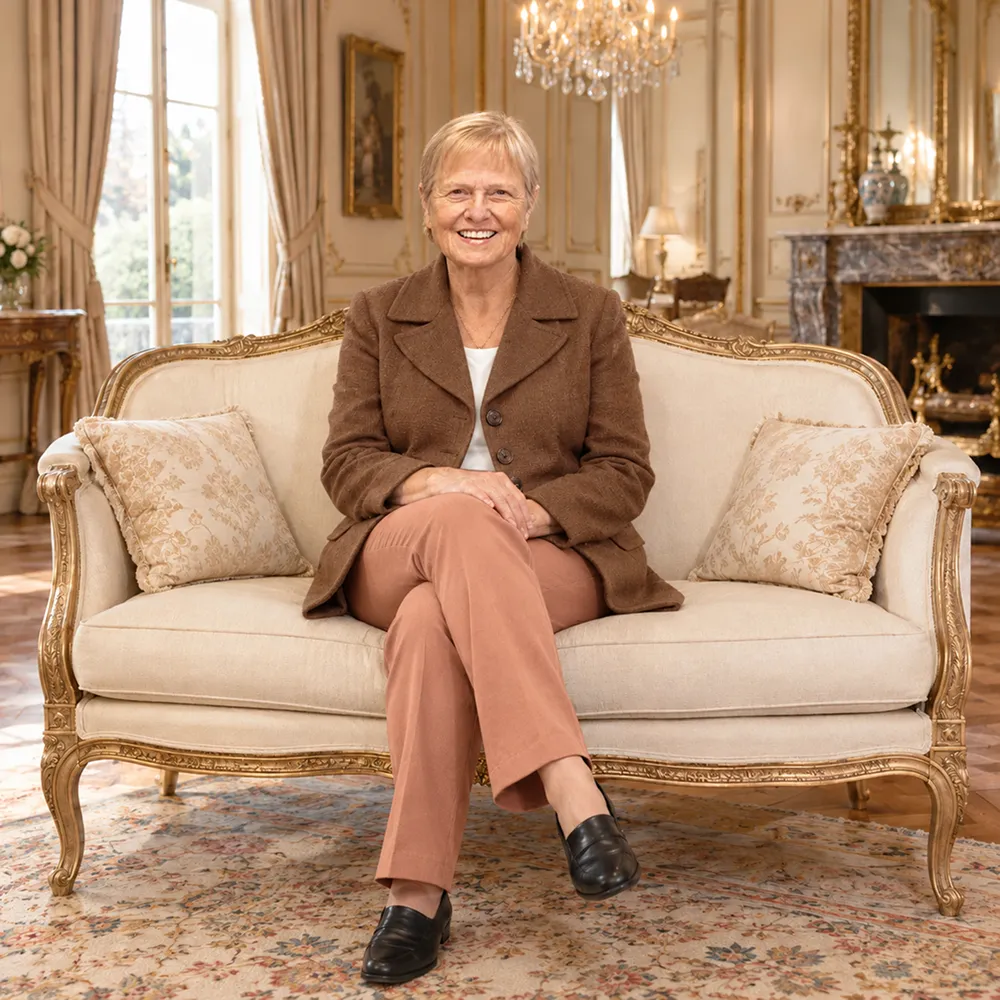
MEET THE AUTHOR
As a child, Amy Isenberg-Cooley whispered stories in the dark, imagining someone might hear her. Years later, she found the courage to gather those memories into her memoir, 18 Boxes.
A mother, grandmother, and lifelong lover of books, she writes from decades of living with borderline personality disorder. Faith, therapy, and loving relationships helped her learn to treat herself with kindness and patience.
Today, she shares that experience without pretending recovery is simple, inviting readers to see the person behind the diagnosis and extend that understanding to themselves.
“My life did not end where I thought it would.”
A JOURNEY OF HOPE AND HEALING
One Life. Eighteen Turning Points.
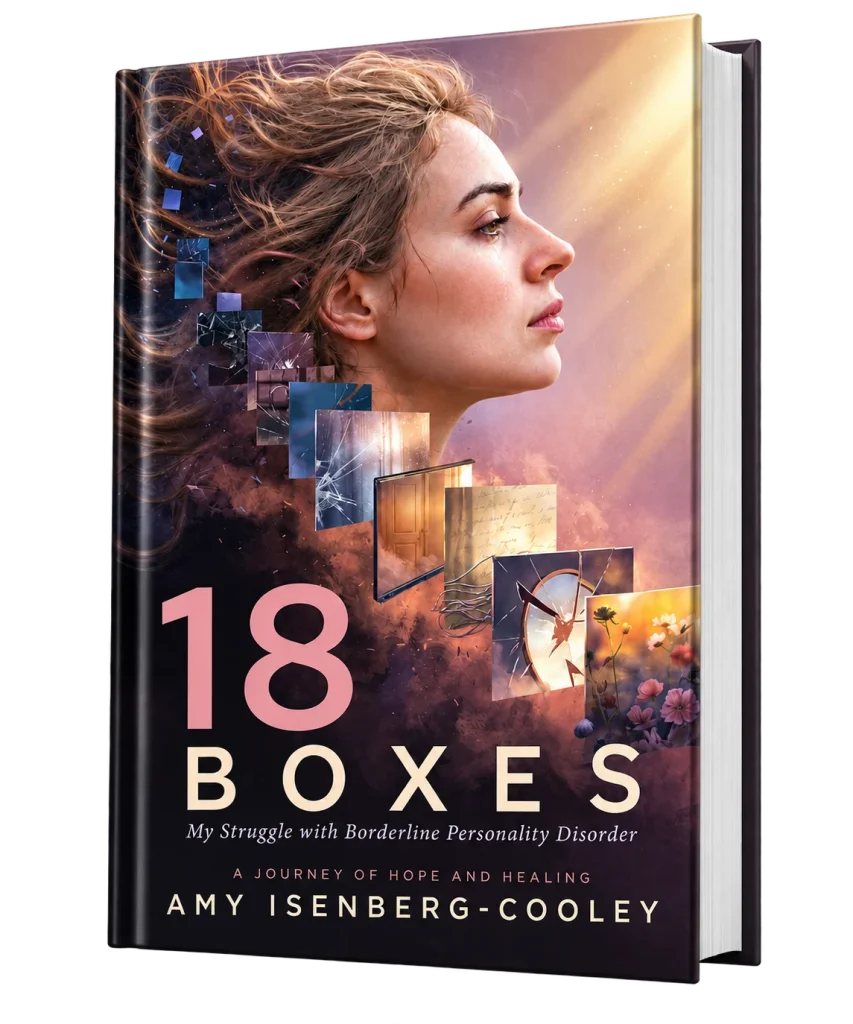
Some stories explain what happened. This one goes deeper, showing how trauma, fear, relationships, faith, therapy, and resilience shaped Amy Isenberg-Cooley’s life. Across eighteen defining chapters, she traces the experiences behind her struggle with borderline personality disorder and her long journey toward understanding herself.
More than a memoir, it reminds readers that a diagnosis is never the whole person. For anyone who has felt broken, misunderstood, or alone, Amy’s story offers something deeply human: the hope of finding self-understanding, compassion, and a meaningful life beyond the hardest years.
The memoir features eighteen distinguishing “boxes,” each examining a crucial experience that has affected Amy’s life, identity, and rehabilitation.
It’s for those living with BPD, trauma, family strife, abandonment, or anyone attempting to understand better a person they love.
She talks about BPD from lived experience, showing the person behind the diagnosis, not her life reduced to clinical symptoms.
It also addresses abuse, loss, marriage, motherhood, faith, addiction, forgiveness, boundaries, connections with family and learning to live with more stability.
Yes. Amy makes recovery not seem easy but her journey is slowly headed in the direction of love, sobriety, self-compassion, peace, and a meaningful existence.
‘‘
Amy’s story stayed with me long after I finished reading. Her honesty about trauma, BPD, and recovery feels deeply personal… yet the book never loses its sense of hope.”
’’
‘‘
What moved me most was how openly Amy shares the difficult parts of her life. The book helped me understand the person behind the diagnosis, not just the symptoms.
’’
‘‘
This felt less like reading a memoir and more like listening to someone speak from the heart. Amy’s journey is painful at times, but it is also full of courage, growth, and reflection.
’’
‘‘
I connected strongly with the themes of family, rejection, forgiveness, and learning to set boundaries… There were several moments that made me stop and think about my own life.
’’
‘‘
Amy does not pretend that healing is simple, and that made the story feel real. Her experiences show that even after years of struggle, peace, love, and meaning can still be found.
’’

A diagnosis can explain patterns, but it should never erase the person behind them.

Progress can feel slow, messy, and uncertain. Yet small breakthroughs still matter.

After years of fear, rejection, and emotional pain, peace can feel unfamiliar.